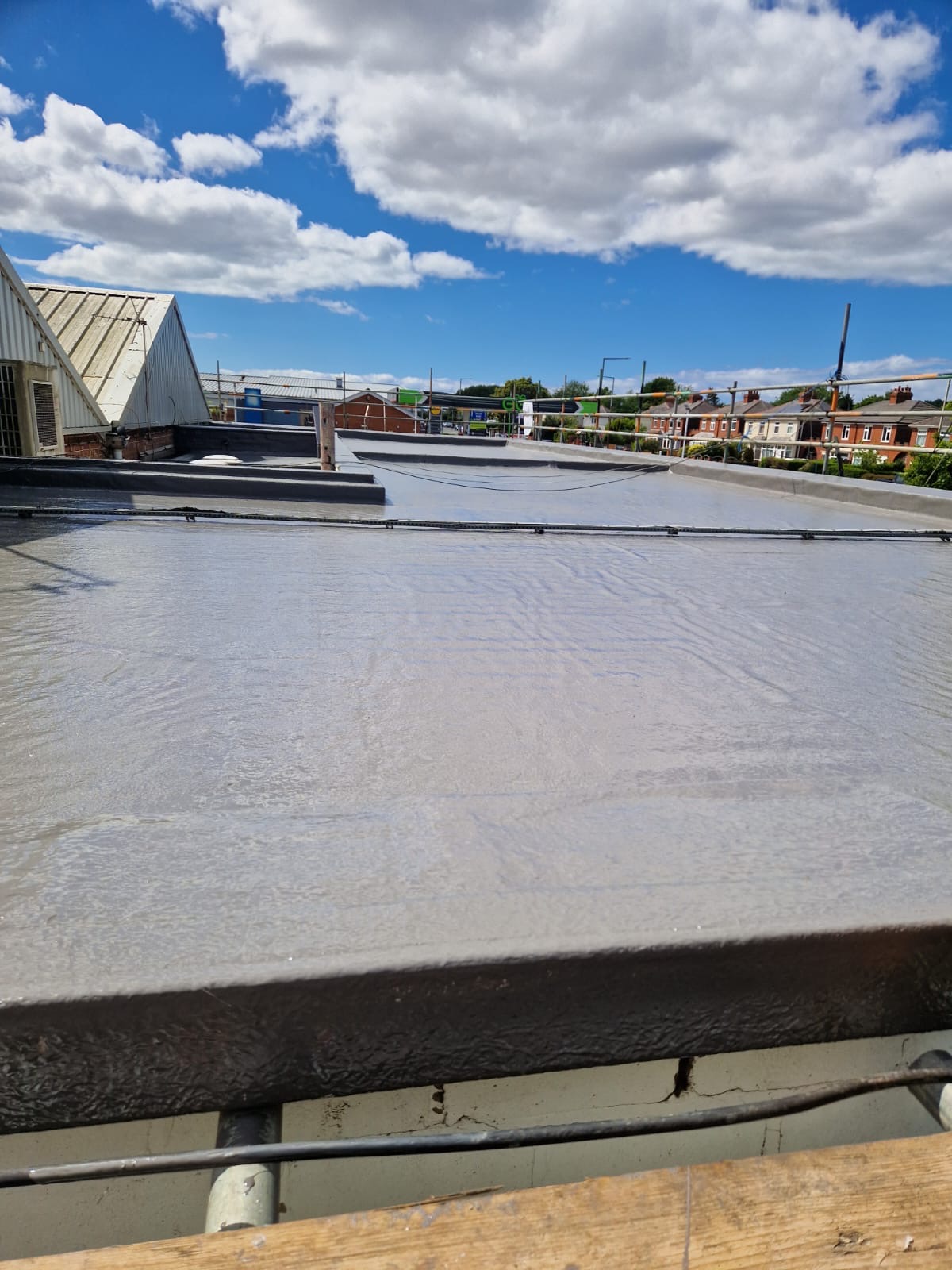
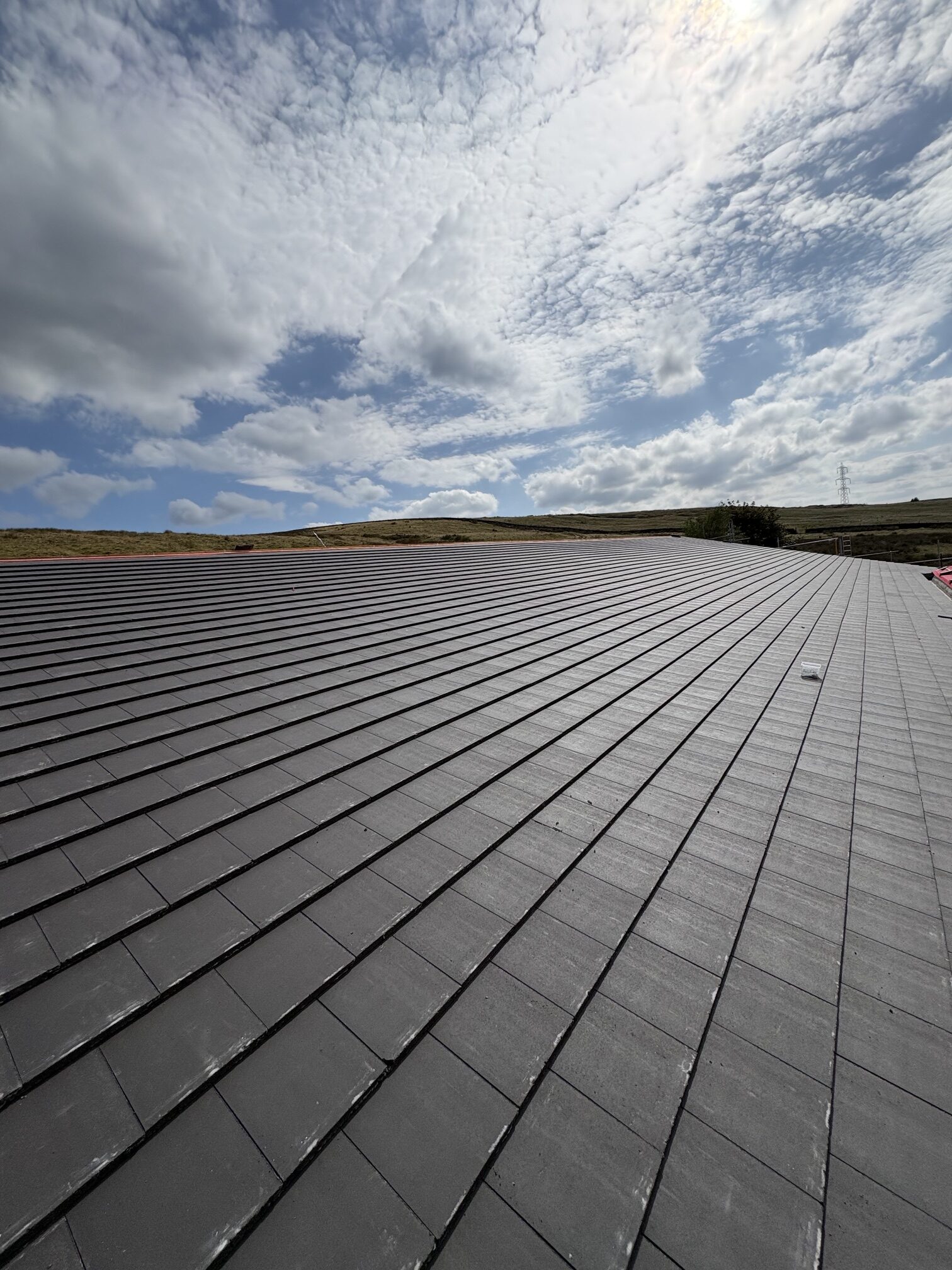
Single ply and EPDM are both established membrane options for commercial flat and low-pitched roofs. Each can provide an effective waterproof covering when the system is correctly designed, installed and maintained. The best choice is determined by the building, roof layout and project requirements rather than by a simple claim that one material is always better.
For building owners, developers and facilities managers, the decision should take account of the roof deck, insulation strategy, number of penetrations, access, programme, expected foot traffic and long-term maintenance. Understanding the practical differences makes it easier to assess quotations and choose a suitable specification.
What is single ply roofing?
Single ply roofing uses a flexible sheet membrane installed as one waterproof layer over an appropriate roof build-up. The term covers several membrane technologies, including systems whose seams are joined through controlled welding. Depending on the specification, the membrane may be mechanically fixed, adhered or ballasted.
Single ply systems are widely used on commercial and industrial buildings because they can cover large roof areas efficiently and can be detailed around outlets, upstands, rooflights and other penetrations. Membrane type, thickness, attachment method and insulation should all be specified as parts of one tested roof system.
What is EPDM roofing?
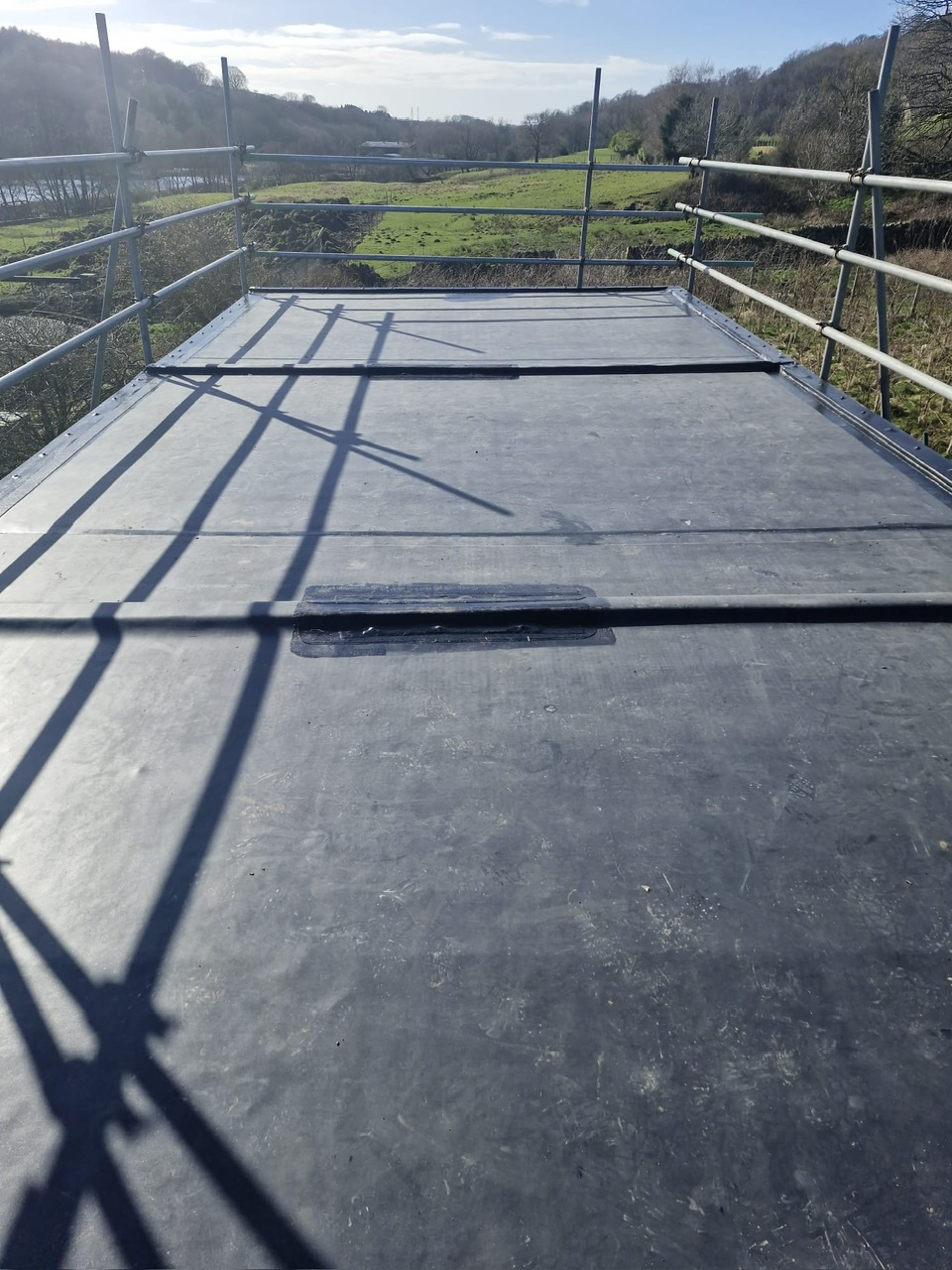
EPDM is a synthetic rubber roofing membrane known for flexibility and resistance to weathering. It may be supplied in large sheets, which can reduce the number of field seams on suitable roof areas. Seams and details are formed using system-specific tapes, adhesives and accessories.
EPDM can be used on new roofs, extensions and refurbishment projects. As with any membrane, performance depends on the substrate, preparation, perimeter restraint, drainage and workmanship at details. The membrane itself should not be considered separately from the full roof build-up.
Single ply and EPDM compared
Factor | Single ply | EPDM |
Material | Flexible membrane system available in different technologies and specifications. | Synthetic rubber membrane with high flexibility. |
Seam method | Commonly formed by controlled welding, depending on membrane type. | Commonly formed with compatible tapes and adhesives. |
Sheet format | Installed in rolls with a planned seam layout. | Large sheets may reduce field seams on suitable roofs. |
Attachment | May be mechanically fixed, adhered or ballasted. | May be adhered, mechanically restrained or ballasted, subject to system design. |
Detailing | Suited to large roofs and complex commercial details when installed correctly. | Flexible around many details, with system-specific accessories and adhesives. |
Key consideration | Welding quality, substrate and attachment design. | Preparation, seam treatment and adhesive compatibility. |
Which factors should guide the specification?
Roof size and complexity
Large open roof areas can suit both systems, while complex roofs require careful planning of sheet layout and details. The number of rooflights, outlets, changes in level and plant penetrations may influence labour, seam quantity and the preferred membrane system.
Roof deck and existing build-up
The condition and type of deck affect attachment and preparation. On refurbishment projects, moisture, adhesion and compatibility must be assessed before an overlay is proposed. Trapped moisture or an unstable substrate should not be hidden beneath a new membrane.
Wind load and perimeter design
Commercial roofs must resist wind forces across the field area, perimeters and corners. Fixing density, adhesive coverage, restraint and edge details should be designed for the building and location. These requirements can affect both system choice and cost.
Insulation and energy performance
Membrane selection should sit within a coordinated roof design that considers insulation, condensation risk and relevant building performance requirements. Tapered insulation may also be used where the design needs to improve falls towards drainage points.
Installation environment
Weather, temperature, access and occupied areas below the work can influence the programme and installation method. Adhesives and welding processes have system-specific conditions that must be respected. A contractor should plan temporary weather protection and sequencing before stripping or opening existing areas.
Maintenance and roof traffic
Routine inspection and controlled access help protect any flat roof. Where maintenance teams need regular access to plant, designated walkways and suitable protection should be incorporated. Damage from dropped tools or uncontrolled traffic can affect otherwise sound membranes.
Is one system more durable than the other?
Both single ply and EPDM systems can provide long-term performance when they are appropriate for the roof and installed to the required standard. Service life is influenced by specification, detailing, workmanship, exposure, maintenance and how the roof is used. Product names or headline warranty periods do not replace a building-specific assessment.
The most common vulnerabilities are often found at interfaces rather than across the main sheet: perimeters, outlets, penetrations, rooflights and transitions to other materials. Quality control at these locations is therefore central to the success of either system.
Questions to ask before appointing a roofing contractor
- Why is this membrane suitable for the existing deck and roof layout?
- How will moisture, drainage and falls be assessed?
- What attachment method and wind-load design are proposed?
- How will outlets, rooflights, upstands and plant penetrations be detailed?
- What preparation, insulation and perimeter work is included?
- What inspections and quality checks will take place during installation?
- What maintenance and access provisions will be required after completion?
- What warranty applies, and what conditions must the building owner follow?
Single ply or EPDM: the practical conclusion
Choose the system that best matches the roof, not the one with the simplest sales message. A sound specification brings together the membrane, insulation, vapour control, attachment, drainage, edge details and maintenance plan. When these elements are coordinated, either system can provide a dependable commercial flat roof solution.
Maincoat Ltd works with commercial and industrial clients on new roofs, extensions and refurbishment projects. The team can inspect the roof, explain the available options and develop an appropriate single ply or EPDM proposal for the building.
Learn more about Maincoat’s single ply and EPDM roofing services, or call 01772 679 680 to discuss your project.


Frequently asked questions
Is EPDM the same as single ply roofing?
EPDM is a single-layer membrane, but in the UK roofing market the phrase “single ply” often refers to a wider family of sheet membrane systems. The materials, seam methods and accessories differ, so the exact specification should always be identified.
Can single ply or EPDM be installed over an existing flat roof?
An overlay may be possible when the existing build-up is dry, stable and compatible. A survey is needed to check moisture, substrate condition, levels, drainage and attachment requirements before this route is recommended.
Which membrane is better for a roof with lots of plant?
Both can be detailed around plant and penetrations, but roof complexity affects sheet layout and labour. The contractor should assess access, movement, clearances and future maintenance before selecting the system.
Do commercial membrane roofs require maintenance?
Yes. Regular inspections, clean outlets and controlled roof access help identify damage early and keep drainage working. Any repair should use materials and methods compatible with the installed system.